
The evolution of gambling tracing the roots and transformations over time
The Origins of Gambling
The roots of gambling stretch back thousands of years, intertwined with human civilization’s growth. Early evidence suggests that ancient Chinese cultures used rudimentary dice dating back to 2,300 BCE, and gambling was often linked to various games of chance. This early form of gambling revealed the innate human attraction to risk and the excitement of uncertainty, setting the stage for more organized forms of betting and wagering that would evolve over time. Today, platforms like Lola Jack casino reflect this rich history, offering exciting ways to engage in gambling activities.
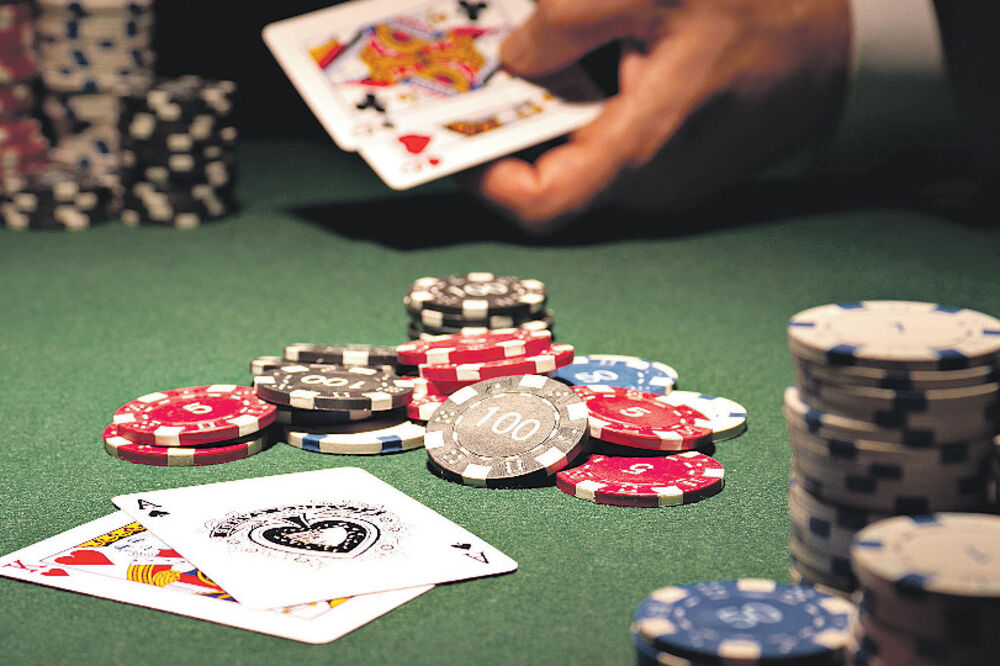
In ancient Rome, gambling took on a more structured form with the introduction of various games that involved both chance and skill. The Romans popularized betting on gladiatorial contests and chariot races, creating a culture where stakes were a significant part of public entertainment. The legal status of gambling fluctuated, with some emperors promoting it and others restricting it, indicating society’s ongoing struggle to balance enjoyment with morality.
Throughout history, gambling’s acceptance varied from one culture to another. In many indigenous tribes, gambling served as a social activity and a means to resolve conflicts. These early forms of gambling not only provided entertainment but also played a crucial role in social bonding, displaying how deeply embedded gambling was in human interactions long before it became commercialized.
The Transition to Organized Gambling
As societies progressed into the Middle Ages, gambling underwent a transformation. It transitioned from informal activities to organized gambling, with the establishment of gaming houses in Europe. This era saw the emergence of the first lotteries, often used to fund public projects, such as roads and schools. These lotteries marked a significant shift as they provided a legitimate means for states to raise funds while simultaneously allowing individuals the opportunity to win substantial prizes.
The introduction of playing cards in the 14th century further revolutionized gambling, leading to the creation of popular games like poker and blackjack. These card games quickly became favorites in social settings, blending skill and luck. The spread of these games across Europe contributed to the development of gambling as a recognized form of entertainment, prompting governments to regulate and tax it.
The 17th century brought about the formalization of betting systems, with horse racing becoming one of the first organized sports to embrace gambling. Betting on horse races established a framework that would later be adapted to various sports, leading to a structured gambling industry. The growth of wagering on sports reflected the increasing acceptance of gambling in society, which was now seen as a legitimate leisure activity.
Modern Gambling Developments
The 19th century marked the rise of casinos, particularly in Europe and America. The first official casino opened in Venice in 1638, setting a precedent for luxurious gambling establishments that catered to the affluent. By the time the Las Vegas Strip emerged in the 20th century, casinos had transformed into massive entertainment complexes, offering not just gambling but a full spectrum of leisure activities. The opulence and allure of these venues attracted millions of visitors, making gambling a mainstream entertainment option.
The introduction of slot machines in the late 19th century added an exciting dimension to gambling. These machines, initially simple and mechanical, rapidly gained popularity due to their ease of play and potential for large payouts. By the 1930s, slot machines were a staple in casinos, contributing significantly to their revenue. The evolution of technology in gambling continued with the advent of electronic and digital gaming machines, enhancing user experiences and attracting a broader demographic.
The late 20th and early 21st centuries saw the rapid growth of online gambling, which revolutionized the industry once again. With the internet’s rise, traditional barriers to entry dissolved, allowing players from across the globe to participate in real-time gambling. Online casinos and betting platforms provided unprecedented convenience and access, reshaping the gambling landscape and expanding its audience. This digital shift continues to influence how gambling is perceived and practiced worldwide.
The Psychological Aspects of Gambling
The psychology of gambling plays a pivotal role in understanding its allure and impacts on society. Many scholars and psychologists have studied the emotional and cognitive aspects that drive individuals to gamble, revealing a complex interplay between thrill-seeking behavior and risk assessment. The excitement and anticipation involved in wagering often trigger a dopamine response, which can lead to feelings of euphoria. This biochemical reaction reinforces the behavior, making gambling a compelling activity for many.
Moreover, various psychological theories explain why individuals might engage in gambling despite the odds being against them. The illusion of control theory suggests that gamblers believe they can influence the outcome of games, particularly in skill-based situations like poker. This perception can lead individuals to gamble more, even when statistical evidence suggests they are more likely to lose. Such cognitive biases highlight the challenge of promoting responsible gambling.
Additionally, the impact of gambling on mental health cannot be overlooked. For some, gambling can become an addiction, leading to significant emotional and financial distress. As awareness of this issue has grown, various support systems and organizations have emerged to assist those struggling with gambling-related problems. Understanding the psychological factors at play is essential for developing effective interventions and promoting responsible gambling practices within communities.

The Role of Online Casinos in Modern Gambling
In recent years, online casinos have transformed the gambling landscape, introducing innovative practices that cater to an increasingly digital-savvy audience. Platforms like LolaJack Casino have capitalized on this trend by offering an extensive array of games, ensuring players can enjoy a seamless and engaging experience from the comfort of their homes. With the convenience of online access, players can partake in various gaming options, including traditional table games and modern video slots, all designed to provide thrilling entertainment.
Online casinos also prioritize security and player protection. With strict licensing and regulations in place, players can engage in gambling with peace of mind. Many platforms implement advanced encryption technologies to safeguard personal and financial information, fostering trust and reliability among users. As a result, the online gambling market continues to expand, attracting newcomers and seasoned players alike.
Furthermore, the competitive nature of the online gambling industry has led to enticing promotions and bonuses, such as the generous welcome offers seen at LolaJack Casino. These incentives not only attract new players but also encourage existing users to remain engaged. The dynamic nature of online casinos has created a vibrant gaming community that thrives on interaction and entertainment, demonstrating the evolution of gambling in our modern world.